Source Commercial Rock Climbing Wall for Parks, Gyms, and Schools
Compare 30 commercial rock climbing wall options from verified suppliers. Buyers can evaluate materials like wood and PVC, customization levels, and installation methods for training or amusement park use.
Key considerations
Products List






Comprehensive Sourcing Guide
Strategic Sourcing Framework for Commercial Rock Climbing Walls
Procuring a commercial rock climbing wall requires a disciplined approach that balances structural integrity, regulatory compliance, and operational versatility. The market presents a diverse array of configurations, ranging from vertical training panels to complex upside-down structures and inflatable systems. Buyers must navigate a landscape where product attributes vary significantly based on intended usage, target demographic, and installation environment. This guide outlines the essential technical, legal, and logistical factors necessary for a successful procurement cycle, ensuring that the selected equipment meets the rigorous demands of commercial operations while adhering to safety standards.
Technical Specifications and Structural Variations
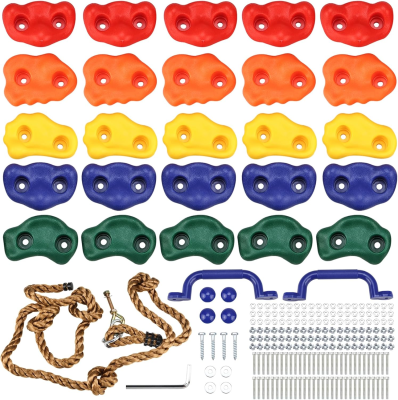
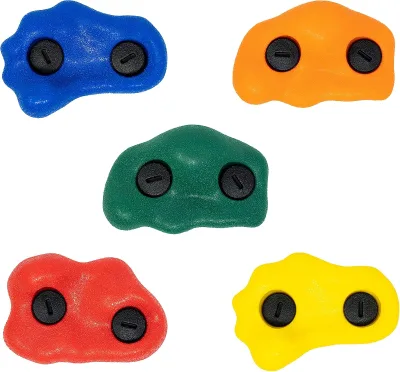
The foundational decision in sourcing a climbing wall involves selecting the appropriate structural type and material composition. The available inventory demonstrates a clear divergence between rigid panel systems and flexible inflatable solutions. Rigid systems are predominantly constructed from wood or laminated materials, designed for permanent or semi-permanent installation. These units often feature a vertical wall type, suitable for direct hold assembling or flat climbing wall panels. The structural integrity of these walls is critical, with some models offering customized dimensions and structures to fit specific venue layouts.
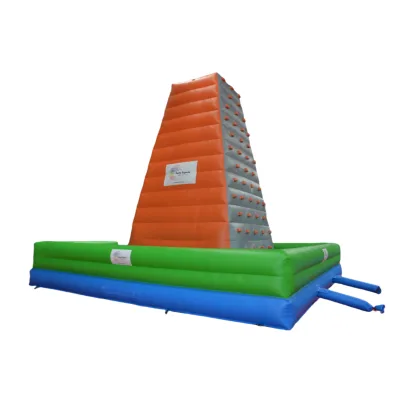
In contrast, the market also includes inflatable climbing solutions. These units are characterized by a specific fabric thickness of 0.55mm and are constructed from PVC material. A defining technical feature of these inflatable systems is the inclusion of a blower, which is essential for maintaining structural stability during operation. The weight of these inflatable units typically ranges between 100 and 149 kilograms, a factor that influences logistics and setup requirements. Buyers must distinguish between these two primary categories, as the technical requirements for installation, anchoring, and maintenance differ fundamentally.
| Feature Category | Rigid Panel Systems | Inflatable Systems |
|---|---|---|
| Primary Material | Wood, Laminated Material | PVC (0.55mm Thickness) |
| Wall Type | Vertical, Upside | Flexible Structure |
| Installation Method | Direct Hold Assembling, Flat Panels | Blower Dependent, Tarpaulin Bag Packing |
| Typical Weight | Varies by size and customization | 100~149 Kg |
| Customization | Size, Color, Design, Structure | Size, Color, Design |
The model numbers observed in the supply chain, such as BJ-CW005, BJ-CW001, TL1178, TL1058, and FM-64, indicate specific configurations available for purchase. These identifiers often correlate with specific dimensions, such as 4.54.55m or 554m, though buyers should verify exact specifications against the supplier's current catalog. The "Upside" wall type represents a specialized configuration that adds complexity to the engineering and safety protocols required for installation.
Compliance, Certification, and Safety Standards
Safety is the paramount concern in the commercial climbing industry. When evaluating potential suppliers, buyers must verify that the equipment adheres to recognized international safety standards. The supply data indicates that certifications such as ASTM, CE, and EN are available, often with options for customized certification requirements. These standards are not merely formalities; they represent rigorous testing protocols for load-bearing capacity, material durability, and structural stability.
For rigid wooden walls, the focus should be on the quality of the laminated material and the integrity of the holding points. For inflatable systems, the certification must cover the tensile strength of the PVC fabric and the reliability of the blower system. The standard specifications for these products often include customization options, meaning that a "Standard Specification" does not guarantee a uniform safety profile across all units. Buyers must explicitly request proof of compliance for the specific model being purchased.
It is critical to note that while some listings mention "Customized" standards, this does not imply a lack of regulation. Rather, it suggests that the product can be engineered to meet specific local or venue-based safety codes. However, the baseline expectation remains that the product must meet or exceed the ASTM, CE, or EN standards relevant to the region of operation. Buyers should not accept "customized" as a substitute for certified safety testing. The presence of certifications like ASTM and CE is a strong indicator of a supplier's commitment to quality, but verification of the specific test reports for the batch being purchased is necessary.
Cost Drivers and Pricing Dynamics
The pricing structure for commercial climbing walls is highly variable, influenced by material costs, customization levels, and logistical factors. The observed price range in the market spans from 0.7 USD to 10,000 USD, reflecting the vast difference between small, simple units and large, complex commercial installations. This wide range underscores the importance of defining the scope of the project before requesting quotes.
Several key factors drive the final cost. First, the material selection plays a significant role; wood and laminated materials generally command different price points compared to heavy-duty PVC. Second, the level of customization is a primary cost driver. Products that accept custom sizes, colors, and designs will incur higher manufacturing costs than those adhering to standard specifications. Third, the packaging method affects the price; options range from plastic film and strong PVC tarpaulin bags to wood packaging, with the latter often being more expensive but offering superior protection for long-distance shipping.
The Minimum Order Quantity (MOQ) also impacts the unit economics. The market shows an MOQ range of 1 to 100 units. For many commercial buyers, an MOQ of 1 set is available, which is advantageous for pilot programs or smaller venues. However, larger orders may benefit from economies of scale. Buyers should be aware that the "Price Will a" notation in some listings indicates that pricing is dynamic and dependent on the final configuration. Therefore, obtaining a detailed quote that breaks down material, labor, and shipping costs is essential for accurate budgeting.
Typical Applications and Usage Scenarios
Understanding the intended application is crucial for selecting the right product. The supply data highlights a broad spectrum of usage scenarios, including training facilities, amusement parks, kindergartens, community centers, and adventure parks. The "Type" attribute often specifies "Children," while other listings target "Adults," indicating that the design and difficulty levels must align with the target demographic.
For commercial venues like amusement parks and adventure parks, the durability and safety of the wall are paramount. These environments often require walls that can withstand high-frequency use and varying weather conditions if installed outdoors. The "Function" attributes listed, such as environmental resistance, corrosion resistance, and tear resistance, are particularly relevant for these applications. Inflatable systems, with their ability to be deployed in parks and markets, offer a flexible solution for temporary or semi-permanent events.
Training facilities, on the other hand, may prioritize specific wall angles and hold configurations. The "Direct Hold Assembling" installation method suggests a modular approach that allows for easy reconfiguration of the climbing route. For community centers and kindergartens, the focus may be on safety features and age-appropriate design. The "Max Capacity" being customizable allows buyers to tailor the wall to the expected foot traffic of their specific venue. It is essential to match the product's design capabilities with the operational goals of the facility to ensure long-term viability and user satisfaction.
Supplier Evaluation and Quality Control
Evaluating suppliers requires a thorough review of their manufacturing capabilities and quality control processes. The origin of the products is predominantly China, with specific mentions of Yiwu as a production hub. While this provides access to a robust supply chain, it necessitates careful vetting of the supplier's track record. Buyers should verify the supplier's ability to deliver on customization requests, as the "Personalized Customization" attribute suggests that many products are made-to-order.
Quality control should be a central component of the procurement process. Buyers must inquire about the testing procedures for the PVC fabric thickness, the structural integrity of the wooden panels, and the reliability of the blower systems for inflatable units. The "Standard Specifications or Customized" nature of the products means that quality can vary between batches. Implementing a pre-shipment inspection protocol is advisable to ensure that the delivered goods match the agreed-upon specifications.
Additionally, the packaging method is an indicator of the supplier's attention to detail. Options like "Wood Packaging" and "Strong PVC Tarpaulin Bag" suggest a focus on protecting the product during transit. Buyers should confirm that the packaging is sufficient to prevent damage during shipping, especially for international orders. The "Plastic Film" option may be suitable for smaller, less fragile components but might not provide adequate protection for large, complex structures.
Long-Term Procurement and Operational Considerations
Beyond the initial purchase, long-term procurement considerations include maintenance, scalability, and potential for expansion. The "Customization" attribute extends to the ability to change sizes and designs, which offers flexibility for future venue upgrades. However, buyers should also consider the availability of replacement parts and the ease of repair. For inflatable systems, the availability of repair kits for the PVC fabric and the blower is critical for minimizing downtime.
The "Installation" method, whether "Direct Hold Assembling" or other configurations, impacts the long-term maintenance requirements. Modular systems allow for easier replacement of individual panels or holds, whereas fixed structures may require more extensive labor for repairs. Buyers should also evaluate the lead times associated with customized orders, as these can vary significantly based on the complexity of the design.
Finally, the "Set" customization option allows for the creation of complete climbing environments, including safety mats and training equipment. This holistic approach ensures that all components of the climbing system are compatible and meet the same safety standards. By planning for long-term needs from the outset, buyers can avoid costly upgrades or replacements in the future. The ability to customize the "Set" and "Size" ensures that the investment remains relevant as the venue evolves and the needs of its users change.
FAQs
What materials are used for commercial rock climbing walls?
Commercial walls typically use wood or laminated materials for rigid panels and PVC for inflatable systems. Rigid units often feature vertical or upside configurations, while inflatable options include a blower and have a fabric thickness of 0.55mm.
Which certifications are available for these climbing wall products?
Products often carry ASTM, CE, and EN certifications to ensure safety compliance. Buyers can request customized standards to meet specific local regulations, but baseline certification verification is essential for all commercial installations.
How can I customize the size and design of the wall?
Customization is available for size, color, and design across most models. Suppliers accept custom orders for dimensions like 4.5x4.5x5m or 5x5x4m, allowing venues to tailor the structure to their specific space and aesthetic requirements.
What is the minimum order quantity for purchasing a wall?
The minimum order quantity ranges from 1 set to 100 units depending on the supplier and model. Many vendors offer an MOQ of 1 set, making it feasible for smaller venues or pilot programs to purchase a single unit.
Can the wall be installed directly without complex foundations?
Yes, many models support direct hold assembling or flat climbing wall panel installation. This method allows for straightforward setup, though upside wall types may require specialized engineering and safety protocols during the installation process.
What is the typical weight of an inflatable climbing wall system?
Inflatable systems typically weigh between 100 and 149 kilograms. This weight range includes the PVC fabric and the included blower, which is necessary for maintaining the structural stability of the wall during operation.
Where are these commercial climbing walls manufactured?
Products are primarily manufactured in China, with specific production hubs located in Yiwu. Buyers should verify the origin and shipping details, as packaging options range from plastic film to wood packaging for international transport.